
The Best Safe Haven Assets for Uncertain Economic Times
What Are Safe Haven Assets?
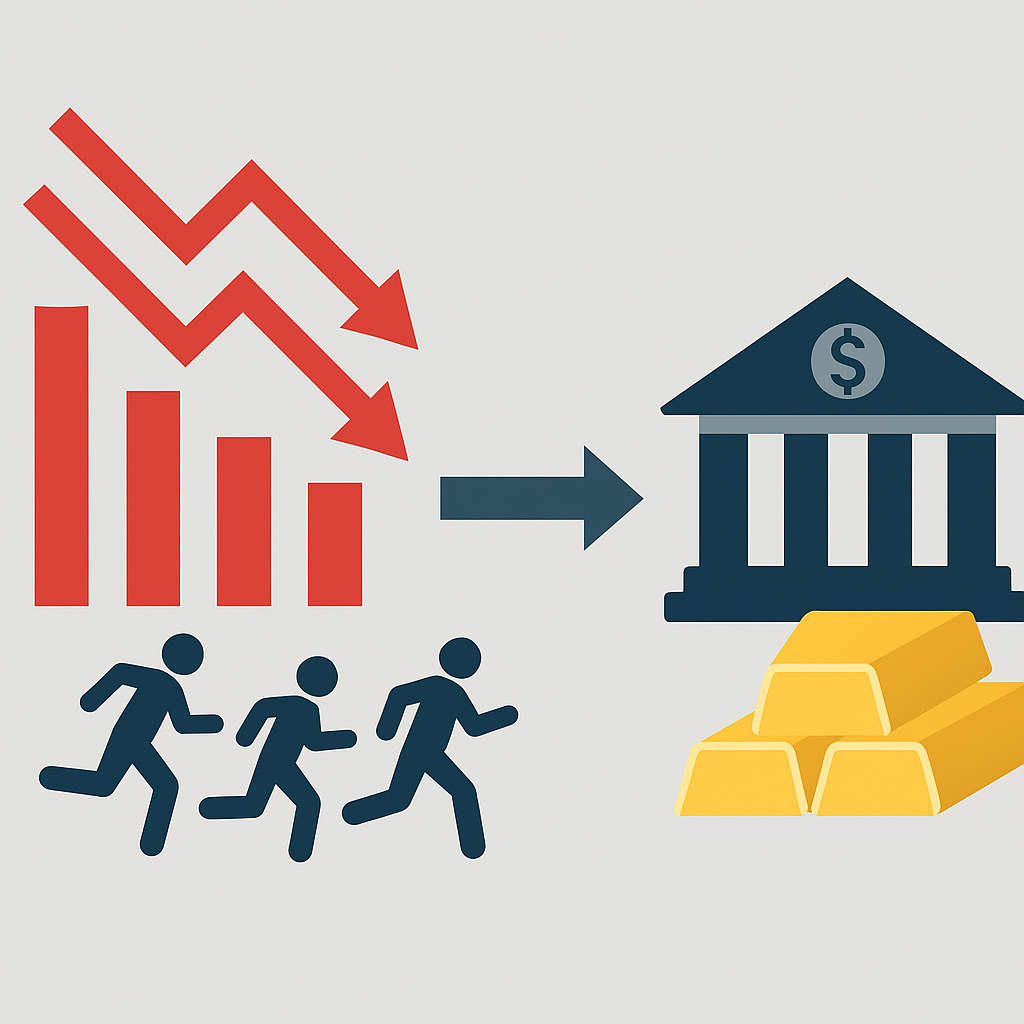
When markets turn volatile and fear spreads, investors often look for stability over growth. That’s where safe haven assets come in. These are investments that tend to retain or even increase in value during periods of economic stress, financial panic, or geopolitical crises.
Whether it’s gold during inflation, government bonds during recessions, or strong currencies during currency shocks—safe haven assets are sought after when traditional markets break down. They don’t promise big returns, but they offer something more valuable in difficult times: preservation of capital.
In this guide, we’ll explore how safe haven assets work, which ones investors trust, their risks, and how they fit into a balanced financial strategy.
Why Investors Turn to Safe Haven Assets
During economic uncertainty, people don’t just fear losses—they fear the unknown. That’s why many investors move money out of volatile assets like stocks and into safer alternatives that are more predictable and stable.
Safe haven assets offer a form of protection, allowing investors to:
- Reduce exposure to falling markets
- Preserve wealth in hard times
- Sleep better knowing part of their portfolio is shielded
Historical Examples of Flight to Safety
- 2008 Financial Crisis: Investors sold off stocks in favor of U.S. Treasuries and gold. Bond yields dropped, and gold prices surged.
- 2020 Pandemic Crash: Markets plunged, but cash, gold, and Treasury bonds provided temporary stability.
- 2022–2023 Inflation Surge: With interest rates rising and currencies weakening, investors moved into hard assets and money markets.
In each case, safe havens helped reduce losses or acted as a temporary store of value when risk assets collapsed. That’s why understanding them is crucial—especially when economic conditions become unpredictable.
Characteristics of a Safe Haven Asset
Not every “low-risk” investment qualifies as a true safe haven. For an asset to be considered dependable during times of crisis, it must meet several specific criteria. These characteristics help distinguish genuine safe havens from simply low-performing or unrelated assets.
1. Low Correlation with Risk Assets
Safe haven assets typically move independently or inversely to the stock market and other high-risk investments. When equities fall, a true safe haven either holds its value or rises.
2. High Liquidity
In times of crisis, investors need to move quickly. A good safe haven must be easy to buy and sell without a large loss in value, even during market stress.
3. Long-Term Stability
Assets like gold or government bonds have track records of maintaining value across economic cycles. The asset’s worth should not depend on short-term market trends or speculative bubbles.
4. Global Demand or Recognition
Safe havens often have universal trust. Gold is valued worldwide, U.S. Treasuries are seen as a global standard, and certain currencies (like the Swiss franc) are favored for their neutrality.
5. Policy or Structural Resilience
A safe haven often benefits from political, economic, or institutional strength—like central bank backing or legal protections that reduce the chance of default or collapse.
📌 Note: These traits aren’t static. An asset that behaves like a safe haven today may not do so tomorrow if underlying conditions change.
Common Types of Safe Haven Assets
While no asset is guaranteed to perform perfectly in every crisis, some have consistently shown the ability to protect wealth during economic downturns.
Gold
- Historically viewed as the ultimate safe haven.
- Stores value over time and is not tied to any single currency.
- Typically rises during inflation, geopolitical risk, or market turmoil.
U.S. Treasury Bonds
- Backed by the full faith and credit of the U.S. government.
- Seen as one of the safest fixed-income investments globally.
- Prices usually rise (and yields fall) when investors flee risk.
Cash and Money Market Funds
- Highly liquid and stable.
- Useful for parking capital short term without losing principal.
- Downside: purchasing power may erode over time due to inflation.
Swiss Franc (CHF)
- Considered a safe currency due to Switzerland’s political neutrality and strong economy.
- Often appreciates when other currencies weaken.
Defensive Stocks
- Sectors like utilities, healthcare, and consumer staples tend to be less sensitive to economic cycles.
- These stocks may hold value better during recessions.
📌 Key Insight: No safe haven is perfect. The best approach is often a mix of assets designed to complement the rest of your portfolio.
How Safe Haven Assets Fit Into a Portfolio
Safe haven assets are not designed to deliver rapid growth. Their role is to offer stability, reduce risk, and preserve capital—especially when markets turn volatile.
Balancing Risk and Return
In a diversified portfolio, safe haven assets help balance out the volatility of higher-risk investments like stocks or real estate. When those assets fall, safe havens often hold their ground or gain slightly—helping to offset losses.
Example:
An investor with 80% in equities and 20% in bonds or gold may experience smaller drawdowns during a crash than someone fully exposed to stocks.
Typical Allocation
- Conservative investors might allocate 15–30% to safe haven assets.
- Moderate investors may keep 5–15% as a defensive buffer.
- Young or aggressive investors often use safe havens tactically, reducing exposure during stable growth periods.
Use in Rebalancing
Safe havens also offer flexibility. In a market downturn, these assets can be sold to buy discounted equities, enabling rebalancing without realizing large losses elsewhere.
📌 Takeaway: Think of safe haven assets as your portfolio’s shock absorbers—they won’t power growth, but they keep you stable when markets get rough.
Risks and Limitations to Keep in Mind
While safe haven assets offer important benefits, they’re not without trade-offs. Investors should understand their limitations before relying too heavily on them.
Limited Growth Potential
By design, safe havens are not high-yielding. Cash earns little interest, and even gold or bonds may underperform when stocks are rallying. Holding too much can reduce your portfolio’s long-term returns.
Changing Safe Haven Status
Some assets lose their safe haven appeal over time.
- Currencies can become unstable due to inflation or government policy.
- Government bonds may face downgrade risk or political pressure.
- Gold or crypto can become speculative during hype-driven markets.
False Sense of Security
Over-concentration in safe assets can lead to missed opportunities or overconfidence. Investors may assume their portfolio is crisis-proof—only to find certain assets don’t behave as expected under new conditions.
Inflation Risk
Holding large amounts of cash or bonds during inflation can erode real returns. What feels safe may quietly lose value in purchasing power.
📌 Conclusion: Safe haven assets are tools—not guarantees. They work best when used strategically, not emotionally or reactively.
Real-World Case Studies of Safe Haven Behavior
To understand how safe haven assets behave under pressure, it helps to look at historical events where investors sought refuge from financial turmoil. These examples highlight how different assets performed when traditional investments faltered.
The 2008 Financial Crisis
- As global stock markets collapsed, demand for U.S. Treasuries surged.
- Yields dropped to historic lows as investors prioritized safety over returns.
- Gold also climbed, gaining over 20% between late 2008 and mid-2010.
COVID-19 Pandemic (2020)
- In March 2020, markets plunged across the board. Even gold briefly sold off due to liquidity panic.
- However, once stimulus measures were introduced, gold prices hit record highs, and cash and Treasury bonds again became stable parking spots for capital.
Inflation and War (2022–2023)
- Russia’s invasion of Ukraine and supply chain shocks drove inflation globally.
- Investors moved into gold, defensive stocks, and money market funds.
- Bitcoin, once considered a potential haven, saw high volatility and underperformed traditional safe assets.
Renewed Trade Tensions (2025)
- With global tariff hikes and economic slowdowns, investors are returning to familiar havens: central banks are increasing gold reserves, and U.S. dollar-denominated bonds remain in demand.
These case studies reveal a key truth: the best safe haven often depends on the nature of the crisis. In systemic financial collapses, government bonds excel. During inflation, gold performs best. Understanding context is essential.
Are Safe Haven Assets Right for You?
Safe haven assets offer essential protection—but they aren’t a one-size-fits-all solution. Whether or not you should hold them depends on your goals, risk tolerance, and how prepared you are for unexpected downturns.
Ask Yourself:
- Am I heavily invested in volatile assets like stocks or crypto?
- Would a sudden loss in my portfolio affect my financial stability?
- Do I have enough liquidity or stable assets to ride out a recession?
When Safe Havens Make Sense:
- You’re nearing retirement or have short-term financial goals.
- You’re building a defensive portfolio to reduce risk exposure.
- You want part of your capital shielded from inflation or market panic.
When Caution Is Needed:
- You’re overly concentrated in one “safe” asset without considering its long-term performance.
- You’re reacting emotionally to headlines rather than using a long-term strategy.
📌 Final Thought: Safe haven assets are not about timing the market—they’re about building resilience into your strategy. When used properly, they give you the freedom to invest more boldly elsewhere, knowing your foundation is secure.
Useful Links and Guides
- World Gold Council – Gold as a Strategic Asset
- Investopedia – Safe Haven
- U.S. Department of the Treasury – Understanding Treasury Securities
- Morningstar – How to Protect Your Portfolio in a Downturn
Other Topics Which May Interest You
How Recessions Actually Make Millionaires and How to Prepare for the Next One – Save Sculptor
Simple Ways How to Increase The Value of Your Home – Save Sculptor