
Tariffs Made Simple: What you Need To Know
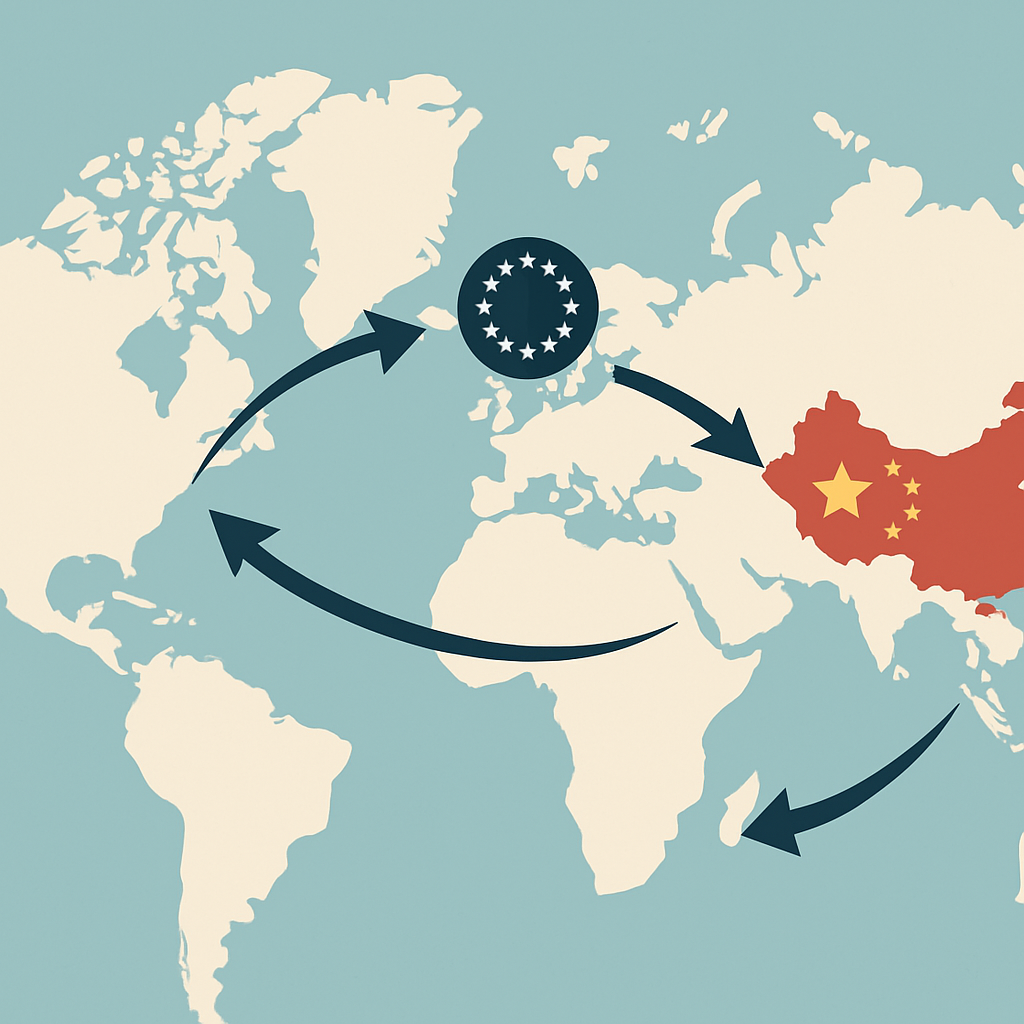
Why Tariffs Matter
In today’s interconnected global economy, tariffs remain a pivotal tool influencing international trade dynamics. As of April 2025, the resurgence of trade tensions, particularly involving the United States, has brought tariffs back into the spotlight. Understanding tariffs is essential, as they directly affect the prices of goods, the strategies of businesses, and the economic relationships between nations. This guide aims to demystify tariffs, exploring their definition, mechanisms, and significance in the current economic landscape.
What Are Tariffs?
A tariff is a tax imposed by a government on imported goods and services, designed to increase the cost of foreign products and encourage the consumption of domestically produced alternatives. Tariffs serve multiple purposes, including protecting local industries from foreign competition, generating government revenue, and sometimes as leverage in trade negotiations.
Types of Tariffs
- Ad Valorem Tariffs: These are calculated as a fixed percentage of the value of the imported good. For example, a 10% ad valorem tariff on a $1,000 item would add $100 to its cost.
- Specific Tariffs: These are fixed fees imposed on a specific quantity of goods, such as $5 per kilogram of imported cheese, regardless of the cheese’s value.
Governments may implement tariffs to shield emerging industries from established foreign competitors, to retaliate against unfair trade practices, or to address trade imbalances. However, the application of tariffs can lead to increased prices for consumers and may provoke retaliatory measures from other countries, potentially escalating into trade disputes.
How Tariffs Work in Practice
The implementation of tariffs involves several key steps:
- Imposition: A government announces a tariff on specific imported goods, detailing the rate and scope.
- Collection: Customs authorities collect the tariff at the point of entry. Importers are required to pay the additional tax before the goods can enter the domestic market.
- Cost Pass-Through: Importers often pass the added costs onto wholesalers and retailers, who may, in turn, increase prices for consumers. This chain reaction can lead to higher prices for imported goods and even domestically produced items that rely on imported components.
Current Context: The 2025 Trade Environment
As of early 2025, the global trade landscape has been significantly impacted by renewed tariff implementations:
- U.S. Tariff Actions: In February 2025, President Donald Trump imposed a 25% tariff on all imports from Mexico and Canada, and a 10% tariff on imports from China, aiming to address trade imbalances and protect domestic industries. Wikipedia+2Wikipedia+2The White House+2
- Global Reactions: These tariffs have prompted concerns about potential retaliatory measures from affected countries, raising fears of an escalating trade war that could impact global economic growth. theguardian.com
Understanding the mechanics of tariffs is crucial for grasping their far-reaching effects on the economy, from influencing consumer prices to altering international trade relationships.
Who Really Pays for Tariffs?
Despite popular belief, tariffs are not paid by the foreign exporters or governments targeted by the policy. In nearly all cases, it is domestic importers, businesses, and ultimately consumers who absorb the added costs.
How Costs Are Passed Along
- Importers pay the tariff when goods enter the country, but they don’t just absorb the cost.
- The price increase trickles down the supply chain—from wholesalers to retailers—and lands with the consumer.
- In industries where profit margins are already thin, tariffs can significantly increase retail prices or force businesses to find alternative suppliers.
Business Impact
- Companies that rely on imported raw materials or components may face higher production costs.
- Some pass these costs on through price hikes; others may cut costs elsewhere, including jobs, quality, or R&D.
📌 Example:
If the U.S. imposes a 25% tariff on imported semiconductors, an American electronics manufacturer will pay more for its inputs—potentially leading to higher prices for laptops, smartphones, or even automobiles.
In short, tariffs function like an invisible tax on consumers and companies—regardless of their original intent.
Real-World Examples of Tariffs
To understand how tariffs play out beyond theory, it helps to look at real-world applications—some of which are unfolding in real time.
U.S.–China Trade War (2018–2020, Reignited in 2025)
- Billions in tariffs were imposed on goods ranging from electronics to soybeans.
- Result: price increases for American consumers and significant export declines for U.S. farmers and manufacturers.
- As of early 2025, tensions have resurfaced, with new U.S. tariffs on Chinese goods and potential retaliation pending.
Brexit Tariff Complications
- After the UK left the EU, tariffs and customs checks on formerly frictionless trade were introduced.
- Result: disrupted supply chains, especially for perishable goods and small exporters.
U.S.–Mexico–Canada Disputes (2025)
- In early 2025, the U.S. imposed 25% tariffs on all imports from Canada and Mexico, citing trade imbalance concerns.
- Businesses in border states and agricultural exporters are already expressing concern over rising costs and expected retaliation.
U.S. Steel and Aluminium Tariffs (2018–Present)
In 2018, the United States imposed a 25% tariff on imported steel and a 10% tariff on imported aluminum under Section 232 of the Trade Expansion Act, citing national security concerns.
- Impact: Domestic steel producers benefitted from reduced competition, but industries that rely on steel—such as construction, automotive, and machinery manufacturing—faced higher input costs.
- Ongoing Relevance: As of 2025, some of these tariffs remain in place, especially affecting downstream industries struggling with price inflation.
India’s High Tariffs on Imported Electronics
India has historically imposed steep tariffs on imported electronics and smartphones to encourage domestic manufacturing under its “Make in India” initiative.
- Impact: Foreign brands entering the Indian market face higher costs, often passed on to consumers. However, the policy has also led to increased local assembly of devices by companies like Apple and Samsung.
- Relevance: This strategy shows how tariffs can be used to foster industrial growth—but also risk deterring foreign investment if overused.
These cases illustrate how tariffs—while framed as tools of leverage—can carry economic consequences that ripple well beyond their political goals.
Who Wins from Tariffs?
While tariffs are often criticized for raising consumer prices and sparking trade disputes, they can also benefit specific groups—particularly in the short term. These winners tend to be concentrated in industries protected by the tariff, as well as governments using them for strategic or fiscal purposes.
Domestic Producers
When foreign competitors face tariff-related price increases, local manufacturers gain a competitive edge. This can lead to:
- Increased market share
- Higher profit margins
- More investment in domestic production
Example: U.S. steel producers saw rising revenues after 2018 tariffs made imported steel more expensive.
Workers in Protected Industries
If a tariff successfully shields an industry from foreign competition, it can help preserve or create local jobs—particularly in manufacturing, agriculture, or resource extraction.
However, these gains are often temporary and may not lead to long-term employment stability if broader market forces shift.
Governments
Tariffs generate direct revenue for national treasuries. While not a primary funding source in most modern economies, this income can be substantial in developing nations that lack a broad tax base.
Politicians and Trade Negotiators
In some cases, tariffs serve as leverage in trade negotiations or as political tools to appeal to domestic constituencies. A strong “protectionist” stance can resonate with voters in regions affected by outsourcing or import competition.
Strategic Industries
Certain sectors—such as defense, energy, or agriculture—may be protected for national security or food sovereignty reasons. In these cases, tariffs help insulate supply chains from geopolitical risks.
📌 However: While these groups may benefit, their gains often come at a broader economic cost—particularly to consumers and sectors reliant on imports. In the next section, we’ll explore who pays that price.
Who Loses from Tariffs?
Although tariffs may provide short-term protection for some industries, they almost always come with broader economic downsides. In most cases, the burden falls on consumers, exporters, and businesses that rely on international supply chains.
Consumers
The most immediate and widespread impact of tariffs is higher prices. As importers pass on the cost of tariffs to retailers and customers, the end user pays more for goods ranging from clothing and electronics to food and fuel.
- Low-income households are often hit hardest, as a larger portion of their budget goes toward necessities that may be affected by tariffs.
Exporters Facing Retaliation
Tariffs rarely happen in isolation. When one country imposes them, others often respond with their own. This retaliation can target unrelated sectors, hurting domestic exporters that had nothing to do with the original dispute.
Example: U.S. soybean farmers faced steep losses during the 2018–2019 U.S.–China trade war when China imposed retaliatory tariffs on American agricultural exports.
Import-Dependent Industries
Manufacturers and businesses that rely on imported raw materials or components face rising production costs. These include:
- Automotive
- Electronics
- Construction
- Retail
Companies may be forced to raise prices, cut wages, reduce hiring, or move production elsewhere—ironically undermining the goals of protectionist policy.
Global Supply Chains
Tariffs introduce friction and uncertainty into global trade networks. Companies may shift supply chains or delay investments due to uncertainty about future costs and trade relationships. This can reduce efficiency, delay innovation, and hurt international cooperation.
Small Businesses
Larger firms may have the scale or flexibility to absorb tariff-related costs or adjust suppliers. Smaller companies, however, are often stuck with higher expenses they can’t easily offset—making them more vulnerable in a protectionist environment.
📌 Summary: While a handful of sectors may gain from tariffs, the broader economic fallout typically affects consumers, small businesses, and global competitiveness. These losses often outweigh the benefits—especially over the long term.
Are Tariffs a Tool for Growth or a Barrier to Trade?
Tariffs have long divided economists, policymakers, and business leaders. While they can offer short-term protection or political leverage, their long-term effects are often mixed—depending on how and when they’re used.
When Tariffs Support Economic Goals
- Protecting New or Vulnerable Industries
Emerging sectors, such as green energy or domestic tech, may need time to develop before competing with established global players. Temporary tariffs can help build capacity. - Strategic Leverage in Negotiations
Used carefully, tariffs can pressure foreign governments to reduce unfair trade practices, such as subsidies or dumping. - Encouraging Domestic Substitution
When supply chains become overly reliant on one region or country, tariffs may incentivize the development of local alternatives, improving national resilience. - Raising Public Revenue in Low-Tax Countries
Some developing economies rely on tariffs as a practical and consistent source of government income—especially when income tax collection is inefficient.
When Tariffs Undermine Economic Stability
- Price Inflation
Tariffs make goods more expensive, especially when there are no affordable domestic substitutes. This fuels inflation and reduces consumer purchasing power. - Global Retaliation and Trade Wars
History shows that aggressive tariff policies can spark retaliation, leading to escalating trade wars. These often end in higher costs and reduced growth for all parties involved. - Disruption of Supply Chains
Industries built on international cooperation and specialization suffer when input costs rise or availability drops. Companies may respond by offshoring, automating, or exiting the market entirely. - Limited Long-Term Effectiveness
While tariffs may buy time for domestic industries, they can reduce competitive pressure. Without innovation and efficiency improvements, industries protected by tariffs often stagnate.
📌 Bottom Line: Tariffs can be useful in limited, targeted situations. But overuse or poor timing often creates more harm than good—especially for open economies that rely on trade and global investment.
Why Tariffs Matter in Today’s Economy
Tariffs aren’t just technical trade policy—they influence everything from inflation rates and supply chain resilience to political alliances and global economic stability. In today’s interconnected world, a tariff imposed in one country can have ripple effects across continents.
Impact on Inflation and Consumer Prices
In an era where inflation is a top concern globally, tariffs can drive prices even higher. By increasing the cost of imported goods and raw materials, they feed directly into the pricing structures of everyday essentials—fuel, food, electronics, and construction materials.
- Central banks may need to respond to tariff-driven inflation by raising interest rates.
- Consumers, particularly in low- and middle-income brackets, feel the most immediate squeeze.
Supply Chain Shifts and Reshoring
Tariffs have prompted many companies to rethink their reliance on single-country sourcing. Whether it’s due to rising costs, political instability, or national security concerns, businesses are increasingly:
- Reshoring manufacturing to domestic facilities
- Diversifying suppliers across multiple countries
- Investing in automation to offset labor and tariff costs
While this may boost local economies in the short term, it can also increase production costs and delay innovation in globally competitive sectors.
Trade Policy as Foreign Policy
In today’s political climate, tariffs are as much about geopolitics as economics. Governments use them to:
- Punish unfair practices (like dumping or subsidies)
- Protect strategic sectors (defense, semiconductors, energy)
- Signal political displeasure or realignment
Tariffs often complement or replace sanctions and are becoming tools in broader economic statecraft—shaping alliances and rivalries around the world.
Long-Term Structural Effects
Tariffs may outlast the administrations that impose them. Once in place, they can become politically difficult to reverse, even if the economic rationale weakens. Entire industries may reorient around tariff policies, complicating long-term trade strategies.
📌 In a global economy defined by volatility, tariffs have re-emerged not just as economic levers—but as instruments of power, protection, and policy.
What to Remember About Tariffs
Tariffs are more than just taxes on imported goods—they’re tools of economic policy, trade negotiation, and sometimes political influence. While they can offer protection or leverage in specific circumstances, they also carry hidden costs that affect consumers, businesses, and the economy at large.
Here are the key points to keep in mind:
- A tariff is a tax on imports that makes foreign goods more expensive.
- Consumers and businesses usually pay the price, not foreign governments.
- Tariffs can protect domestic industries, but they also raise prices and reduce global competitiveness.
- Trade partners often retaliate, escalating disputes and harming exporters.
- In 2025, tariffs are at the center of major policy debates—especially in the U.S., where new tariffs have triggered concerns over inflation and trade wars.
- Used carefully, tariffs can support strategic goals. But overuse often leads to inefficiency, supply chain disruptions, and long-term economic drag.
Understanding how tariffs work—and who they affect—is essential for interpreting today’s headlines and tomorrow’s markets.
Further Reading and Resources
- USTR.gov – Office of the United States Trade Representative
- WTO.org – World Trade Organization
- Investopedia – What Are Tariffs?
- Council on Foreign Relations – Trade Policy